 Reviews



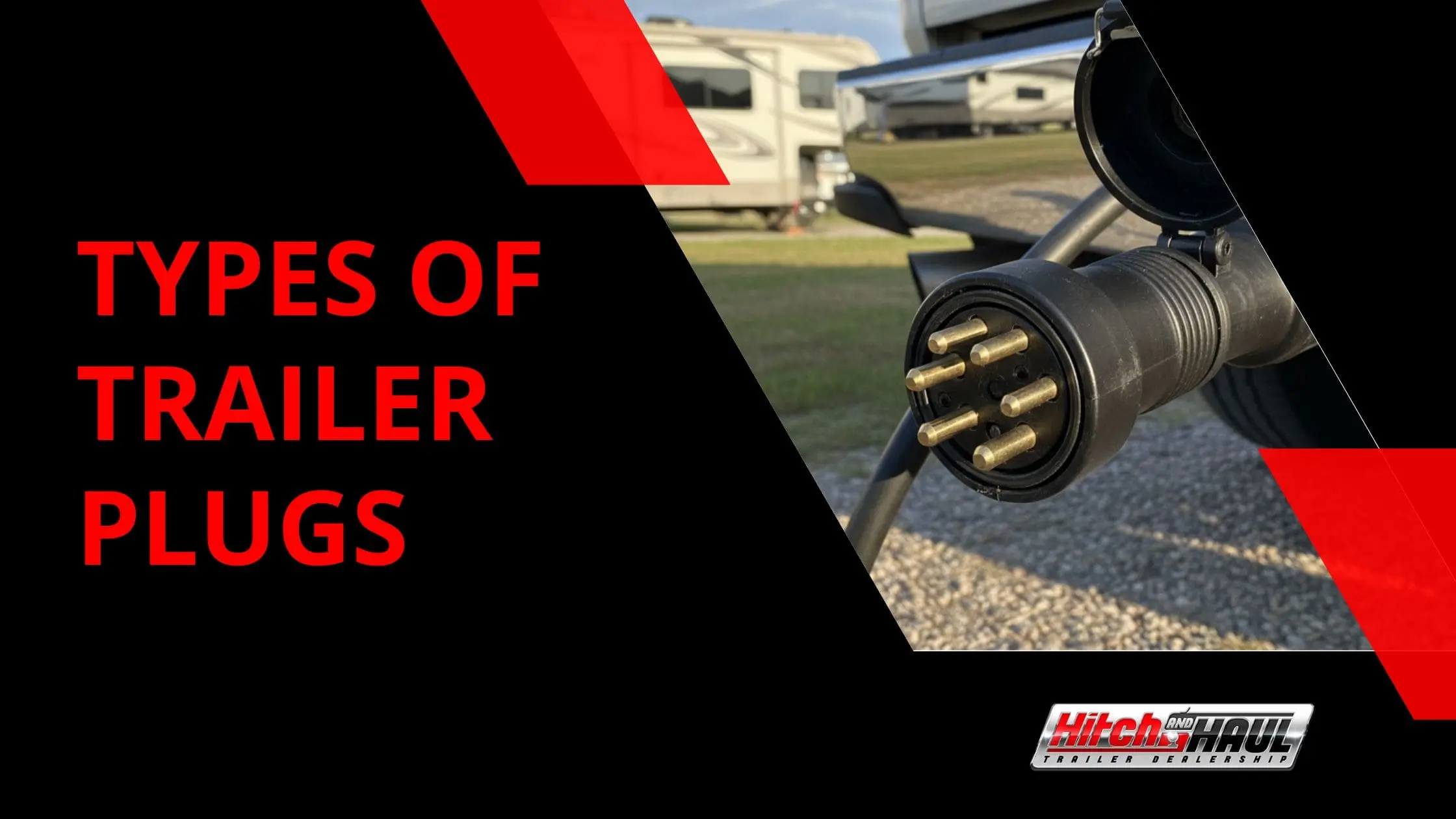
I’ve been around trailers and towing gear for years. In that time, I’ve seen everything – from folks nervously hooking up their first small utility trailer to seasoned RV owners still scratching their heads over small brake lights. Nine times out of ten, the culprit is the same: that little plug dangling between the trailer and the truck. That is why it is very important to understand the different types of trailer Plugs.
It’s such a small part, isn’t it? A simple plug. But without it working properly, your lights, brakes, and signals are just dead weight. You’re on the road with no one behind you knowing when you’re stopping or turning. I can’t tell you how many times I’ve had to pull over and help someone troubleshoot a dead trailer plug at a gas station. It’s stressful, it’s dangerous, and honestly, it’s avoidable.
That’s why I like walking people through this stuff. Once you understand the different kinds of trailer plugs and what they’re built for, a lot of headaches just disappear. You’ll know exactly what you’re looking at, how to match it, and how to keep it in good shape. This guide is the same advice I give in my shop every day.
What Are Trailer Plugs and Why They Matter?
Think of a trailer plugs as the handshake between your vehicle and your trailer. It’s how your truck “talks” to the trailer – telling the brake lights when to flash, the turn signals when to blink, even feeding power to electric brakes or backup lights if your setup has them. Without that handshake, the two aren’t communicating at all.
A lot of people underestimate how vital that little connection is. They figure, “Ah, I hooked it up, we’re good,” and then they hit the road, only to realize half their lights aren’t working when it’s already dark. I’ve been there. I’ve seen it. It’s not just annoying – it can earn you a ticket or cause an accident.
The good news? It’s fixable and preventable. Use the right plug for your vehicle and trailer. Make sure it’s wired properly, clean it now and then, and double-check the connection before you pull away. That one minute of checking can save you a long night on the roadside.
Common Problems People Face With Trailer Plugs
Even with all the right knowledge, problems happen. I’ve seen it countless times – good people with the right trailers still running into frustrating issues because of a tiny connector. Let’s walk through the ones that trip people up most often.
1. Mismatched Plugs and Sockets
Here’s a classic scenario: you buy a trailer, you hook it up to your truck, and…nothing works. Not a light flickers. Nine times out of ten, the plug and socket just don’t match. Maybe the trailer has a 5-pin round plug, and your vehicle only has a 4-pin flat. Or you’re trying to use a European 13-pin camper plug on a US vehicle without an adapter.
Solution: Don’t wait until you’re on the road to discover this. Identify the plug types on both your trailer and your vehicle before buying. If they don’t match, use a high-quality adapter. Think of it as giving your trailer and truck a translator – they’ll finally “speak the same language.”
2. Electrical Failures
Blown fuses, frayed wires, or damaged connectors are more common than you might think. I’ve had customers come in after their lights suddenly stopped working halfway down the highway. It’s usually a fuse – or a wire that’s been rubbing against the trailer frame – something that could have been prevented with a quick check.
Solution: Inspect your wiring regularly. Use solid, quality connectors and don’t ignore signs of wear. A small investment in maintenance today can save hours of stress on your next trip.
3. Corrosion and Dirt Accumulation
Road salt, mud, and rain are relentless enemies. Even the best plug will fail if corrosion builds up inside. I’ve had folks pulling into the shop thinking their trailer is broken, only to find a tiny layer of rust inside the plug.
Solution: Clean the contacts with a brush or contact cleaner, and keep a little dielectric grease on hand to prevent moisture from causing corrosion. It’s like giving your plug a mini spa day.
4. Incorrect Installation
Sometimes the plug is simply wired wrong. I see this a lot when people try a DIY installation without carefully following the wiring diagrams. The result? Brake lights or turn signals that refuse to cooperate.
Solution: Follow the wiring diagram exactly. If you’re unsure, consult a professional. One wrong wire can cause big problems, and it’s not worth the risk.
Types of Trailer Plugs
Understanding types of trailer plugs will save you a lot of headaches. Here’s what I tell every customer who walks into my shop: know your plug, and know your trailer.
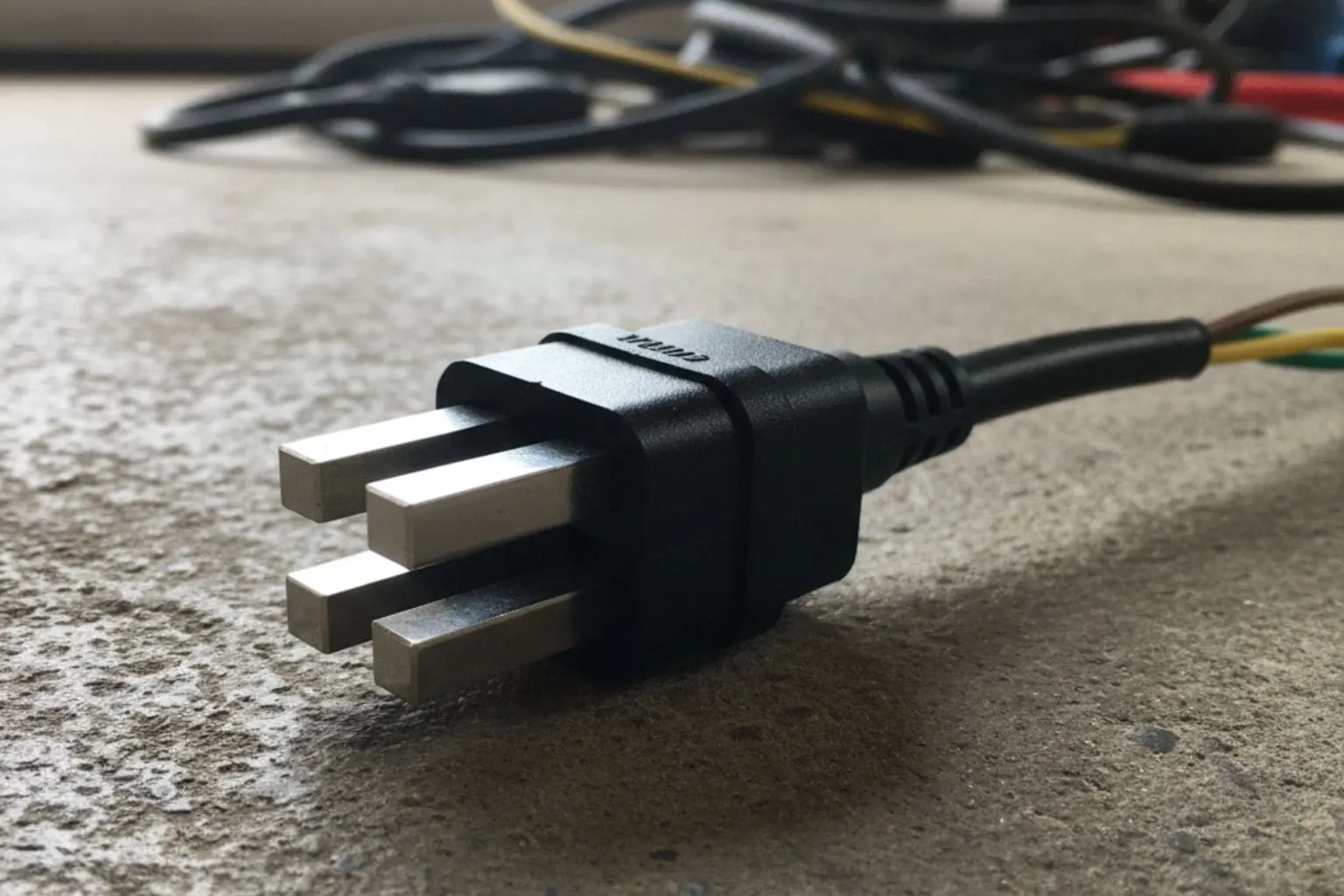
1. 4-Pin Flat Trailer Plug
- Use: Small trailers with basic lighting.
- Problem: No reverse lights or brakes – bare minimum.
- Solution: Ensure your vehicle supports 4-pin connections. If you ever want more functionality, consider upgrading to 5- or 7-pin.
2. 5-Pin Round Trailer Plug
- Use: Small trailers with additional functions like reverse lights or basic electric brakes.
- Problem: Easy to confuse with 4-pin systems, miswiring is common.
- Solution: Follow wiring guides carefully, and double-check color codes before connecting.
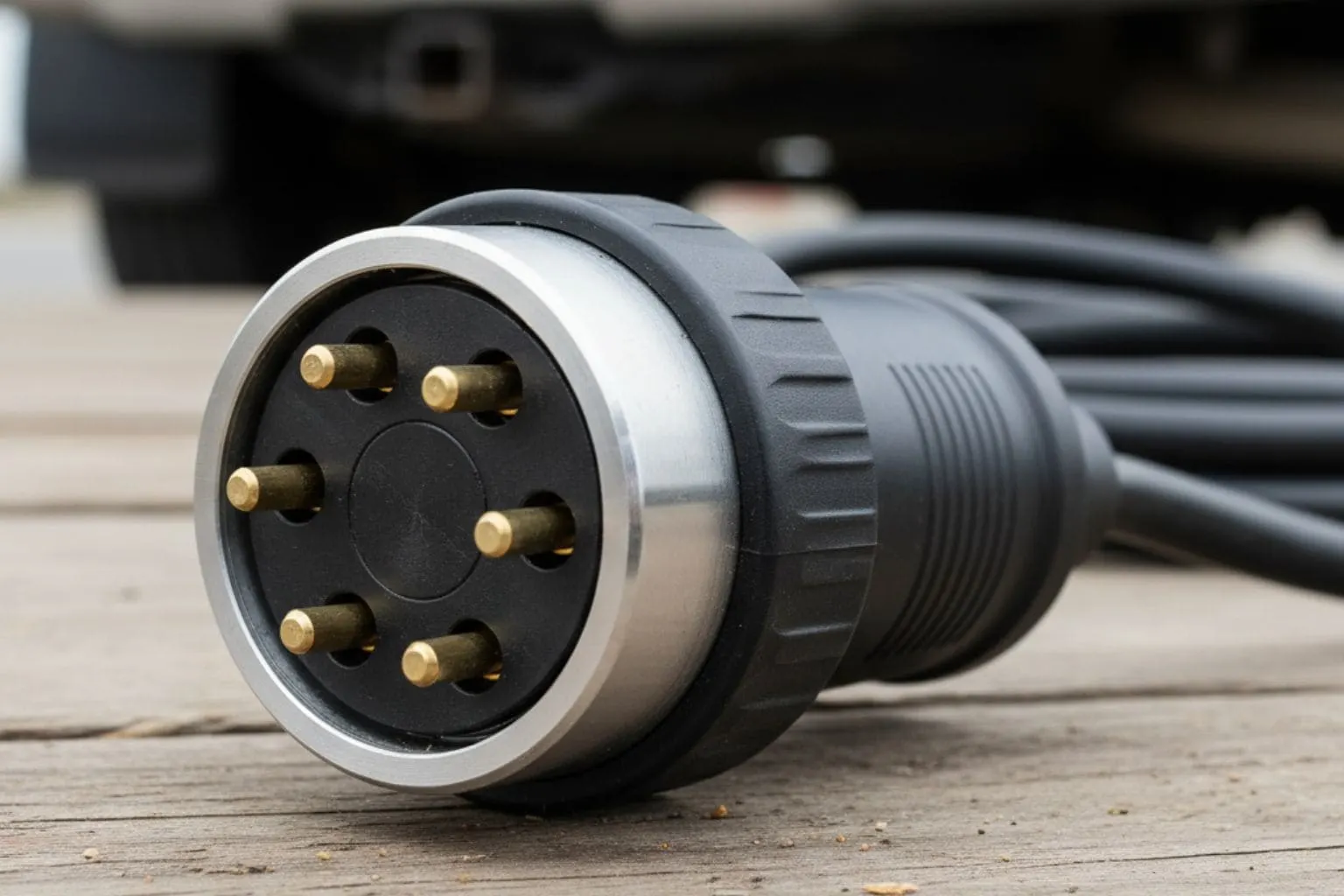
3. 6-Pin Round Trailer Plug
- Use: Medium trailers with electric brakes and extra lighting.
- Problem: The round design can be a little tricky to align and connect.
- Solution: Lubricate the plug lightly and take your time when connecting. A well-aligned plug lasts much longer and avoids intermittent failures.
4. 7-Pin Round Trailer Plug
- Use: Large trailers, RVs, or caravans with full functionality: electric brakes, reverse lights, and auxiliary power.
- Problem: Complex wiring can make troubleshooting intimidating.
- Solution: Test each circuit before towing, and keep a pin diagram handy. Think of it as a safety checklist for your journey.
Other Types (Optional)
- European Plugs (13-pin): Mostly for campers and specialized trailers.
- Problem: Not always compatible internationally.
- Solution: Use proper adapters or make sure your vehicle is compatible before traveling abroad.
How to Identify the Right Type of Trailer Plugs?
One of the biggest mistakes I see is buying a trailer or plug without checking compatibility.
Tips:
- Check the vehicle manual and trailer requirements.
- Match pin count and configuration.
- Use visual inspection and labels – most trailers label each plug for a reason.
A little attention here saves you from a lot of stress later. Trust me – I’ve patched more dead plugs at the side of the road than I care to admit.
Maintenance Tips for Trailer Plugs
Even the right trailer plug fails if you ignore it. Routine maintenance is easier than you think.
- Clean contacts regularly. A toothbrush and contact cleaner go a long way.
- Use protective caps to prevent dirt or moisture from building up.
- Apply dielectric grease to prevent corrosion.
- Inspect wiring for frays, cracks, or loose connections before every trip.
I tell my customers, “A quick plug check before you tow is like stretching before a run. It keeps everything working smoothly and prevents surprises.”
Troubleshooting Common Trailer Plug Issues
- Trailer lights not working: Check fuses, bulbs, and plug connections.
- Trailer brakes not functioning: Inspect wiring and pin configuration.
- Loose connections: Tighten plugs or replace damaged sockets.
- Corrosion: Clean and lubricate contacts.
Little problems escalate fast on the road, so addressing them early is key.
Upgrading or Adapting Trailer Plugs
Older vehicles or trailers often come with outdated plugs. That’s not a problem – it’s an opportunity to upgrade.
- Use plug adapters to match modern vehicles.
- Upgrade to a higher-pin plug for extra functionality.
- For large trailers, consult a professional for rewiring.
Sometimes a small change, like going from a 4-pin to a 7-pin system, transforms your towing experience.
Conclusion
Trailer plugs may be small, but they’re mighty. Choosing the right plug, maintaining it, and troubleshooting problems early makes the difference between a smooth towing experience and a roadside headache.
Remember: safety comes first. A well-maintained plug protects your lights, brakes, and wiring – and more importantly, keeps you and everyone else on the road safe. Spend a few minutes inspecting and maintaining your trailer plug before each trip. Your future self will thank you when every light flashes, every brake responds, and your trailer tracks perfectly behind you.
FAQs
1. What’s the difference between a 4-pin and a 7-pin trailer plug?
A 4-pin handles basic lights, while a 7-pin supports brakes, reverse lights, and extra power.
2. Can I use an adapter if my trailer and vehicle plugs don’t match?
Yes, but an adapter won’t add extra functions your vehicle doesn’t support.
3. How do I know if my trailer plug is bad?
If lights flicker, don’t work, or only work when wiggled, the plug may be faulty.
4. How often should I maintain my trailer plug?
Clean and inspect it before every trip; grease and check wiring each season.
5. Can I install or rewire a trailer plug myself?
Yes, for simple setups. For brakes or complex wiring, use a professional.
About Author:

Leave a Reply