 Reviews



When you’ve spent decades hauling trailers, campers, and farm loads, you learn one thing quickly – your receiver hitch is the backbone of safe towing. It doesn’t matter whether you’re pulling a fishing boat, a horse trailer, or a couple of ATVs – if your hitch setup isn’t right, you’re asking for trouble on the highway.
Folks often stop by my shop asking about receiver hitches for trucks or “who installs receiver hitches near me,” not realizing there’s more to it than just bolting on a metal piece. Choosing the right receiver hitch – by class, size, and type – is what separates smooth towing from costly repairs (or worse).
So let’s take it slow and clear up everything about receiver hitches, from what they do to how to choose the right one for your rig.
What Exactly Is a Receiver Hitch?
In simple terms, a receiver hitch is the square tube mounted to your vehicle’s frame that “receives” different towing accessories – like a ball mount, bike rack, or cargo carrier.
You’ll find them under most pickups, SUVs, and campers. The “receiver” part refers to the tube opening where you slide in the hitch accessory and secure it with a pin.
Unlike older bumper hitches, receiver hitches are built into the frame, giving you more strength and flexibility. Whether you’re looking for receiver hitches for pickups or receiver hitches for campers, this setup gives you the versatility to switch between towing and hauling gear.
How a Receiver Hitch Works?
A receiver hitch connects your truck’s frame to the trailer tongue through a ball mount. The receiver tube holds the ball mount, and a hitch pin locks it in place.
When you attach the trailer coupler over the receiver ball hitch, the connection allows pivot and movement – but safely transfers the trailer’s tongue weight to your truck’s frame.
It might sound simple, but every piece – from the ball mount to the receiver size for hitches – plays a role in how safe your towing setup really is.
The Different Classes of Receiver Hitches
Receiver hitches come in five main classes, each designed for different weights and vehicles. This is where most people get confused – so let’s lay it out clearly.
| Hitch Class | Max Trailer Weight (GTW) | Receiver Tube Size | Typical Vehicles | Common Uses |
| Class I | Up to 2,000 lbs | 1¼” | Small cars, sedans | Light towing, bike racks |
| Class II | Up to 3,500 lbs | 1¼” | Crossovers, small SUVs | Small campers, boats |
| Class III | Up to 8,000 lbs | 2” | Pickups, SUVs | Boats, ATVs, utility trailers |
| Class IV | Up to 10,000 lbs | 2” | Full-size trucks | Larger campers, heavy trailers |
| Class V | 12,000–20,000 lbs | 2½”–3” | Heavy-duty trucks | Commercial towing |
When customers ask me about classes of receiver hitches or different size receiver hitches, I tell them this:
“It’s not about how strong the hitch looks – it’s about how much your truck can actually handle.”
Always match the hitch class to both your vehicle’s towing capacity and your trailer weight. Overloading your hitch is a fast way to bend steel or blow your rear suspension.
Types of Receiver Hitches
Now that you know the classes, let’s talk about types of receiver hitches – because not every setup mounts the same way.
1. Rear-Mount Receiver Hitches
This is what most folks mean when they say “receiver hitch.” It mounts to the rear frame and handles the majority of towing needs. You’ll find these as receiver hitches for trucks, SUVs, and campers.
2. Front-Mount Receiver Hitches
These mount to the front of your truck – handy for mounting winches, snow plows, or even front cargo carriers.
If you’ve ever seen someone maneuver a trailer into a tight spot by pushing it from the front, this is how they do it.
3. Bumper Receiver Hitches
These attach to the bumper instead of the frame – decent for light-duty towing, but not my first recommendation for heavier loads.
4. Adjustable Receiver Hitches
One of the most useful inventions for anyone towing multiple trailers. Adjustable receiver hitches for trucks let you raise or lower the hitch ball to match different trailer heights.
Whether you’re towing a low utility trailer one day or a tall camper the next, an adjustable setup keeps your trailer level – which means safer braking and smoother handling.
5. Custom-Fit vs. Universal Receiver Hitches
A custom-fit hitch is designed specifically for your vehicle make and model. It bolts right into factory holes.
A universal hitch fits multiple vehicles but may need drilling or adapters.
If you’re not sure which is best, you’ll find receiver hitches at Tractor Supply, Harbor Freight, and Walmart where you can compare both types side by side.
Receiver Hitch Sizes: Getting the Numbers Right
Now let’s talk about sizes of receiver hitches – because size determines what accessories you can attach.
The most common receiver sizes for hitches are:
- 1¼-inch (Class I–II): light-duty
- 2-inch (Class III–IV): the most popular, fits most trailers and trucks
- 2½-inch and 3-inch (Class V): for heavy-duty towing
If you’re using ball mounts for receiver hitches or receiver drop hitches, make sure the shank matches your receiver size exactly.
Mixing the wrong size may cause rattling or dangerous slippage while towing. Many shops sell adapter sleeves, but even then, stick to what your truck’s frame is built for.
Receiver Drop Hitches and Why They Matter
A receiver drop hitch helps you line up your trailer so it rides level.
If your truck sits higher (as most pickups do), you’ll need a drop hitch that lowers the ball mount a few inches.
Keeping your trailer level is not just about looks – it ensures even weight distribution and stable braking.
That’s why when I sell receiver hitches for trucks or trailer receiver hitches, I always recommend pairing them with the right drop hitch and ball mount.
Popular Brands and What Makes a Good Hitch?
There are dozens of brands out there, but one name you’ll hear often is CURT receiver hitches – and for good reason. They’re reliable, easy to install, and corrosion-resistant.
I’ve installed hundreds of CURT hitches over the years, from receiver hitches for pickups to heavy receiver hitches for campers, and they’ve held up season after season.
If you’re shopping locally, search for receiver hitches near me or receiver hitches for sale near me – most reputable auto stores, trailer shops, or farm supply outlets carry CURT, Reese, or Draw-Tite brands.
You can even find receiver hitches at Harbor Freight for budget setups, and receiver hitches at Walmart or Tractor Supply if you prefer something accessible and ready to mount.
Choosing the Right Receiver Hitch for Your Truck
Here’s a step-by-step process I usually walk customers through:
1. Know Your Vehicle’s Towing Capacity.
Check your owner’s manual or manufacturer plate. Never exceed this number.
2. Match the Hitch Class to Your Needs.
Hauling a jet ski? Class II or III will do. Pulling a large camper? Go Class IV or V.
3. Select the Correct Receiver Size.
Stick to standard sizes – 2-inch for most trucks, 2½-inch for heavy-duty rigs.
4. Decide Between Fixed or Adjustable.
If you tow multiple trailers, go with adjustable receiver hitches for convenience.
5. Pick a Trusted Brand.
CURT receiver hitches or Reese are my go-tos for reliability.
6. Plan the Installation.
If you’re not handy with tools, look up who installs receiver hitches near me – most auto shops or trailer dealers will handle it for a reasonable fee.
By now, you understand the basics – types of receiver hitches, classes of receiver hitches, and how to choose the right one for your truck, camper, or trailer.
Now let’s get into the part most folks overlook: installing the thing correctly, picking the right accessories, and keeping everything in good shape season after season.
After 30+ years in the towing world, I’ve seen more problems caused by poor setups than bad equipment. Whether you bought your hitch at an auto shop, ordered receiver hitches for sale near me, or grabbed one from Harbor Freight, Walmart, or Tractor Supply, what matters most is using it right.
Installing a Receiver Hitch: DIY or Professional?
A lot of folks walk into my shop saying,
“Can I install this myself, or should I search for who installs receiver hitches near me?”
Here’s my honest answer:
If you’re comfortable with tools, torque specs, and working under your vehicle, installing most receiver hitches for trucks or receiver hitches for pickups is doable at home.
But let’s break it down properly.
When You Can Install It Yourself?
Most Class III and Class IV receiver hitches are bolt-on and designed to fit factory mounting holes. If the hitch matches your exact make and model (especially CURT receiver hitches or Draw-Tite), installation often takes 30–60 minutes.
DIY is fine when:
- You have jack stands or ramps.
- You can handle tightening bolts with a torque wrench.
- You’re installing a common size like a 2-inch receiver.
- You’re mounting a rear hitch, not a front one.
I’d say 50–60% of the folks who come through my shop could do it themselves if they wanted to.
When You Should Get a Professional?
Some situations absolutely call for a pro:
- You’re installing a Class V heavy-duty hitch (2½ or 3-inch receiver).
- There’s drilling or trimming involved.
- Your truck has a rusted frame or old welds.
- You need wiring for trailer lights or electric brakes.
- You’re not comfortable lying under a truck for an hour.
In these cases, searching who installs receiver hitches near me is your best bet.
Most trailer shops, U-Haul centers, or local mechanics handle installations at fair prices – and you get peace of mind knowing your hitch is mounted safely.
Must-Have Accessories for Receiver Hitches
A receiver hitch alone won’t tow anything. You need the right ball mounts for receiver hitches, the proper size ball, and sometimes a drop hitch. I always tell customers this:
“Your hitch is only as good as the accessories you pair it with.”
Let’s break down what matters.
1. Ball Mounts
A ball mount is the metal bar that slides into the receiver and holds the hitch ball. They come in fixed and adjustable versions.
- Fixed ball mounts are great if you tow one trailer height.
- Adjustable receiver hitches are better if you switch between different trailers, campers, or utility rigs often.
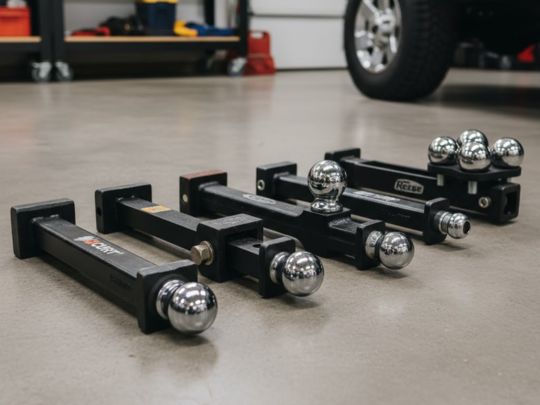
If you’re using receiver hitches for campers, adjustable is the smartest choice because camper tongue heights vary a lot.
2. Hitch Balls
Hitch balls come in different diameters – 1-7/8″, 2″, 2-5/16″ – and each one can handle different weights.
Always match the ball size to your trailer coupler. A mismatch here is one of the leading causes of trailer disconnects.
3. Receiver Drop Hitches
If your truck sits higher than your trailer (and most do), you’ll need a receiver drop hitch to keep the trailer level.
A level trailer:
- Improves braking
- Reduces sway
- Protects your truck’s suspension
- Keeps cargo from shifting
This is especially important for folks using receiver hitches for trucks to tow small or low trailers.
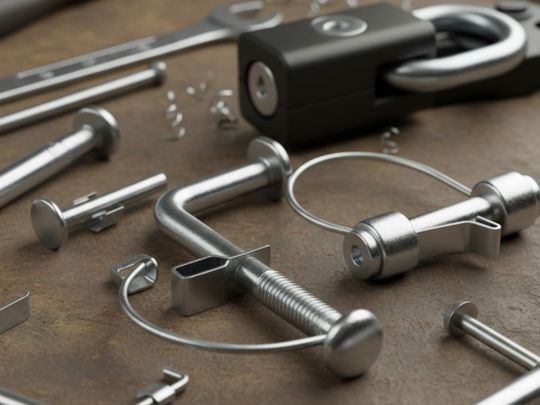
4. Hitch Pins and Locks
Never tow without a solid hitch pin – preferably a locking one.
A locking pin prevents theft and rattling, especially when using adjustable hitches.
5. Anti-Rattle Devices
If you hear your hitch “clunking” on bumps, an anti-rattle clamp or sleeve tightens everything up.
Helpful when you’re switching between different size receiver hitches using adapters.
6. Weight Distribution Systems
Not everyone needs this, but if you’re towing a heavy camper or large utility trailer, weight distribution takes strain off your truck’s rear end and improves handling.
These pair with 2-inch and 2½-inch receivers easily.
7. Trailer Wiring Harness
If your trailer has lights, brakes, or turn signals, you’ll need a wiring harness.
Most trailer receiver hitches require either a 4-pin or 7-pin connector.
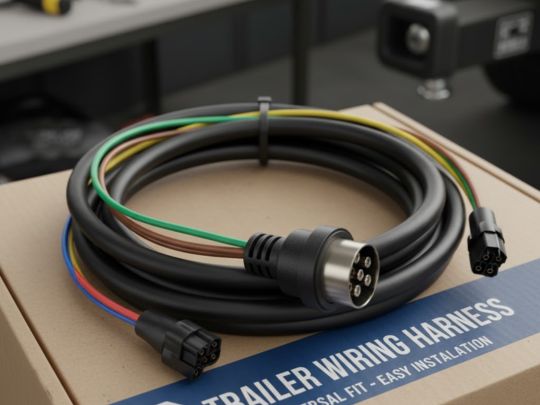
This is where DIY folks often call it quits – so don’t hesitate to get a pro if wiring makes you nervous.
Maintenance Tips for Long-Lasting Performance
Receiver hitches don’t need much babying, but a little care goes a long way.
No matter where you got yours – receiver hitches at Walmart, Harbor Freight, Tractor Supply, or an online store – the steel will last decades if you treat it right.
1. Inspect Every Few Weeks
Look for:
- Rust around welds
- Loose bolts
- Bent hitch plates
- Worn pins or clips
If you tow often, check even more regularly.
2. Keep the Receiver Tube Clean
Dirt and rust inside the tube make it hard to slide in ball mounts.
A quick brush-out and a shot of spray lubricant keep everything smooth.
3. Protect Against Rust
Most curt receiver hitches come powder-coated, but chips happen.
Touch up any scratches with rust-resistant paint.
4. Grease the Hitch Ball
A lightly greased hitch ball prevents squeaking and wear – a trick many old-timers still swear by.
Wipe and reapply grease every few trips.
5. Store Accessories Indoors
Don’t leave ball mounts or drop hitches in the receiver all year.
Rust welds them in place, and I’ve seen people needing heat torches or grinders to remove them.
Common Mistakes People Make With Receiver Hitches
Even seasoned truck owners slip up sometimes. Here are the mistakes I see most often:
1. Mixing Wrong Receiver Sizes
Using a 1¼-inch accessory in a 2-inch receiver with multiple sleeves is a big no-no.
Stick to the correct receiver sizes for hitches for strength and stability.
2. Ignoring Tongue Weight
Every trailer has a recommended tongue weight – usually 10–15% of total trailer weight.
Too light? Sway.
Too heavy? Your truck squats and brakes poorly.
3. Using the Wrong Ball Size
A 2-inch ball in a 2-5/16” coupler is an accident waiting to happen.
4. Towing Unlevel
If your setup isn’t level, get an adjustable receiver hitch or a proper receiver drop hitch.
5. Overloading the Hitch
Just because your truck can tow 10,000 lbs doesn’t mean your hitch can.
Match the class – every time.
Where to Buy Receiver Hitches (Local & Online)
People ask me often:
“Where’s the best place to buy receiver hitches near me?”
Here’s what I tell them:
1. Tractor Supply
Great for farm trucks, utility rigs, and receiver hitches for pickups.
You’ll find heavy-duty options, drop hitches, and ball mounts too.
2. Harbor Freight
Affordable for light and medium-duty setups.
If you’re just starting or towing something small, it’s a solid choice.
Many come with receivers for trailer hitches and accessories bundled.
3. Walmart
If you want quick availability, receiver hitches at Walmart get the job done.
Convenient for budget setups and light trailers.
4. Local Trailer Dealers
Local Trailer Dealers are the ones where you’ll find custom fits, specialty hitches, and expert installers.
Most shops also carry CURT receiver hitches, ball mounts for receiver hitches, and all types of drop hitches.
5. Online Retailers
Online, you can compare dozens of brands, from receiver hitches for sale to adjustable receiver hitches for trucks.
Make sure you filter by your exact year, make, and model.
Final Thoughts: Choosing the Right Receiver Hitch Matters More Than You Think
Whether you’re hauling a fishing boat on weekends, towing equipment for work, or pulling a camper across states, your receiver hitch is what holds the whole setup together.
A good hitch, matched correctly by class and size, makes towing smoother, safer, and far more predictable.
A bad or mismatched hitch?
Well, let’s just say I’ve towed more stranded trailers than I can count.
If you take away anything from this guide, let it be this:
- Know your towing weight.
- Match the hitch class and size properly.
- Use the right accessories – especially ball mounts and drop hitches.
- Don’t skimp on maintenance.
- Buy from trusted places, whether that’s Tractor Supply, Harbor Freight, Walmart, or a reputable dealer.
Do that, and you’ll tow with confidence every single time.
Frequently Asked Questions
1. What’s the difference between hitch classes (Class I–V)?
Receiver hitches are divided into five classes based on towing capacity and receiver size. Class I and II hitches handle light-duty towing up to 3,500 lbs, ideal for cars and small SUVs. Class III and IV cover 5,000–10,000 lbs, perfect for trucks and larger SUVs. Class V hitches are heavy-duty, rated up to 20,000 lbs for commercial use. Always match the hitch class to your vehicle’s towing limit and trailer weight for safe towing.
2. How do I choose the right receiver size for my truck?
Receiver sizes correspond to hitch classes. Light-duty hitches use a 1¼-inch receiver, while most trucks use the standard 2-inch size. Heavy-duty setups may need a 2½- or 3-inch receiver. The ball mount or accessory must fit snugly—mixing sizes or using too many adapters can lead to rattling or unsafe towing.
3. Can I install a receiver hitch myself?
Yes, many Class III and IV hitches are bolt-on and easy to install if you’re handy with tools. Most fit existing factory holes and can be done in under an hour. However, professional installation is best for Class V hitches, jobs that require drilling or wiring, or older vehicles with rusted frames.
4. What accessories do I need with a receiver hitch?
You’ll need a few key parts to start towing safely: a ball mount and hitch ball, a receiver drop hitch to keep the trailer level, and a hitch pin or lock to secure the setup. For trailers with lights, add a wiring harness. Optional accessories like anti-rattle clamps or weight distribution systems improve stability and comfort.
5. How do I maintain my receiver hitch?
Check your hitch regularly for rust, loose bolts, or bent parts. Keep the receiver tube clean and lightly lubricated so mounts slide easily. Touch up paint chips to prevent rust and grease the hitch ball to reduce wear. When not towing, remove the ball mount to protect it from weather damage.
About Author:

Leave a Reply