 Reviews



Ever caught yourself staring at someone’s enclosed trailer at a stoplight and wondering what’s inside? Maybe you’re picturing tools, maybe a car, maybe even a small business packed in there. Or perhaps you’ve been down the rabbit hole of shopping for one yourself – only to close the laptop after an hour, rubbing your temples, because the options, sizes, and prices all started to blur together.
Most of us get to a point in life where we need more hauling power. Maybe you’ve got a growing hobby, maybe a business, or maybe you just want to keep your gear safe and dry when you’re on the move. That’s where enclosed trailers come in. They’re not flashy, but they solve real problems – like protecting your stuff from rain, keeping thieves out, and giving you peace of mind.
The tricky part? Choosing the right one without making the same mistakes so many buyers regret later. Let’s walk through it together, step by step, in plain language.
Understanding the Basics of Enclosed Trailers
An enclosed trailer is basically a moving storage shed on wheels. Unlike open trailers that leave everything exposed to the sun, wind, and rain, enclosed trailers enclose your cargo within walls, a roof, and lockable doors.
They come in different shapes and sizes, but they all have the same goal: keeping your stuff safe and protected while you’re on the road.
The real selling point? Protection. You don’t have to worry about weather ruining your furniture during a move, or strangers eyeing your motorcycle when you stop for gas.
And when you’re using it for business, that layer of security makes all the difference.
But here’s the catch: the minute you start researching, you’re hit with a wave of jargon. GVWR, single axle, tandem axle, steel vs. aluminum – it’s like learning a new language.
And it’s easy to feel like you’re making blind choices. On top of that, some people assume trailers are “maintenance-free,” only to find out later that tires, bearings, and seals all need attention if you want the trailer to last.
Key Points:
- Enclosed trailers keep cargo safe from weather and theft.
- The buying process can feel overwhelming because of industry jargon.
- They need regular care, not just a one-time purchase.
Types of Enclosed Trailer Explained
1. Cargo Trailers
These are your basic, all-purpose enclosed trailers. People use them for everything from moving boxes to hauling tools. The biggest mistake here is going too small. An empty trailer feels huge until you start stacking in furniture, equipment, or boxes – and suddenly, you’re wishing you’d gone one size bigger.
2. Car Haulers
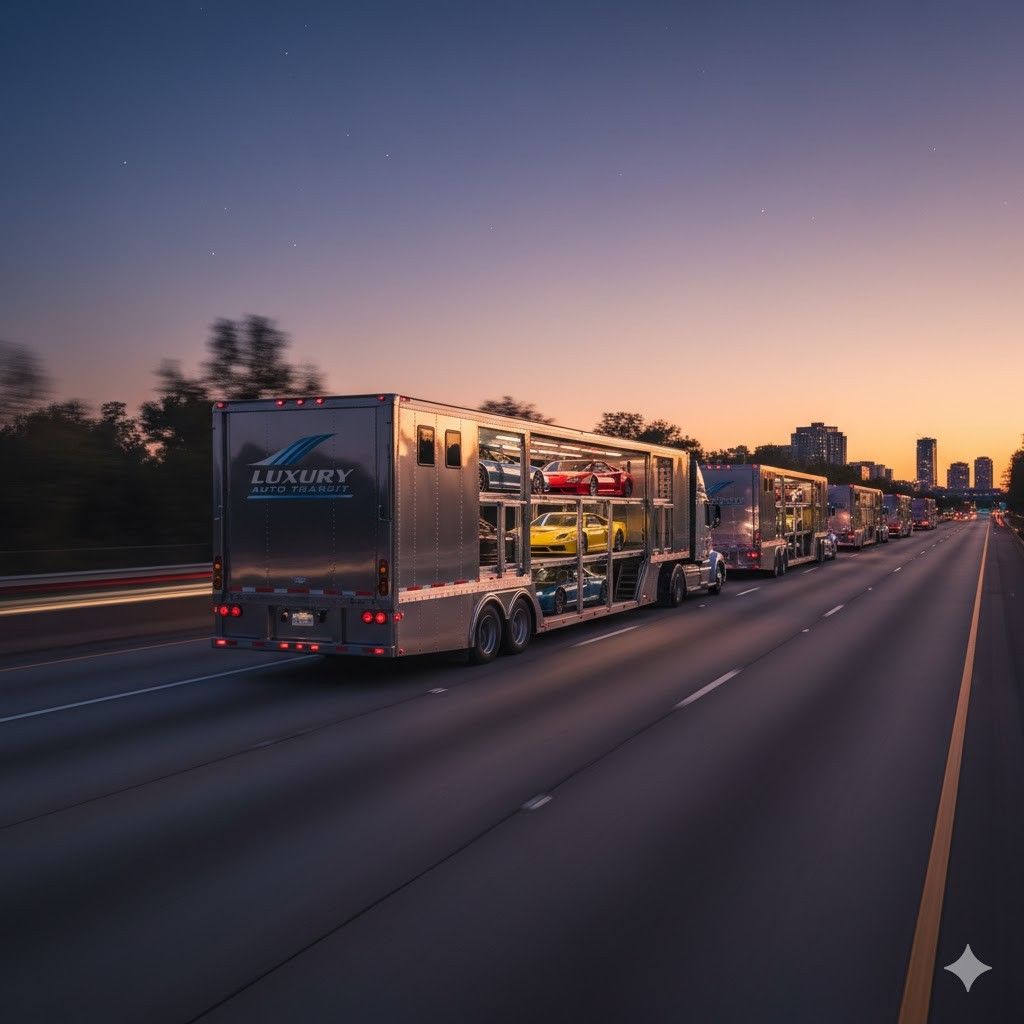
Built tough for transporting vehicles, these come with reinforced floors, heavy-duty axles, and ramps. Where people trip up is underestimating weight. A trailer might look sturdy, but if the weight rating isn’t enough for your car, you’ll be in trouble before you even leave the driveway.
3. Motorcycle Trailers
Smaller but designed with tie-down systems, ramps, and sometimes wheel chocks to keep bikes upright. Buyers often forget ventilation. A closed box plus fuel fumes? Not a good combo. You also want to double-check the interior height if you’re rolling in taller bikes.
4. Utility and Multi-Purpose Trailers
These are like the “Swiss Army knife” of enclosed trailers. They’ll handle a mix of jobs and are great for folks who never haul the same thing twice. The trade-off? They’re not as specialized, and if you end up needing racks, shelving, or special doors, you may feel limited.
5. Specialty Enclosed Trailers
Here’s where things get fun: food concession trailers, mobile workshops, even tiny-home conversions. They’re amazing, but the danger is overspending. It’s easy to get carried away with fancy features you don’t actually need.
Key Points:
- Cargo trailers are versatile but often bought too small.
- Car haulers must match the weight of your specific vehicle.
- Specialty trailers can drain your wallet if you add features without thinking through your real needs.
Choosing the Right Enclosed Trailer for Your Needs
1. Start With Your Purpose
What will you haul most often? It sounds obvious, but many people buy a trailer hoping it can “do it all” and end up frustrated. A weekend biker doesn’t need the same setup as a small business owner, and a landscaper’s needs are different from someone who just wants to move household items.
2. Size and Capacity
There’s a big difference between single axle and tandem axle trailers. Single axles are lighter and cheaper, but they can only carry so much. Tandem axles handle more weight, ride smoother, and are safer on the highway. Pay attention to GVWR (gross vehicle weight rating). Too many buyers underestimate and wind up with unsafe loads.
3. Materials and Build Quality
Steel or aluminum? Steel is strong and less expensive but heavier and prone to rust. Aluminum is lighter, easier to tow, and resists corrosion, though it costs more. Don’t forget the “smaller” details either – thicker walls, sturdy floors, and a well-built roof make a difference over time.
4. Ventilation, Doors, and Access
Loading and unloading will be part of your life with a trailer, so think about doors. Ramps are perfect for rolling in heavy gear, barn-style doors are quicker for boxes, and side doors make things more convenient. And if you’re hauling vehicles or animals, ventilation is a must.
5. Customization Options
This is where many people kick themselves later. At first, you think, “I don’t need shelves, lights, or insulation.” Then three months later, you’re wishing you had all of it. The right add-ons can turn a basic trailer into something that actually fits your lifestyle.
Key Points:
- Buy for your main purpose, not an imaginary “all-in-one” scenario.
- Weight ratings are more important than trailer size.
- Smart upgrades often save money and headaches down the road.
Common Mistakes Buyers Make and How to Avoid Them
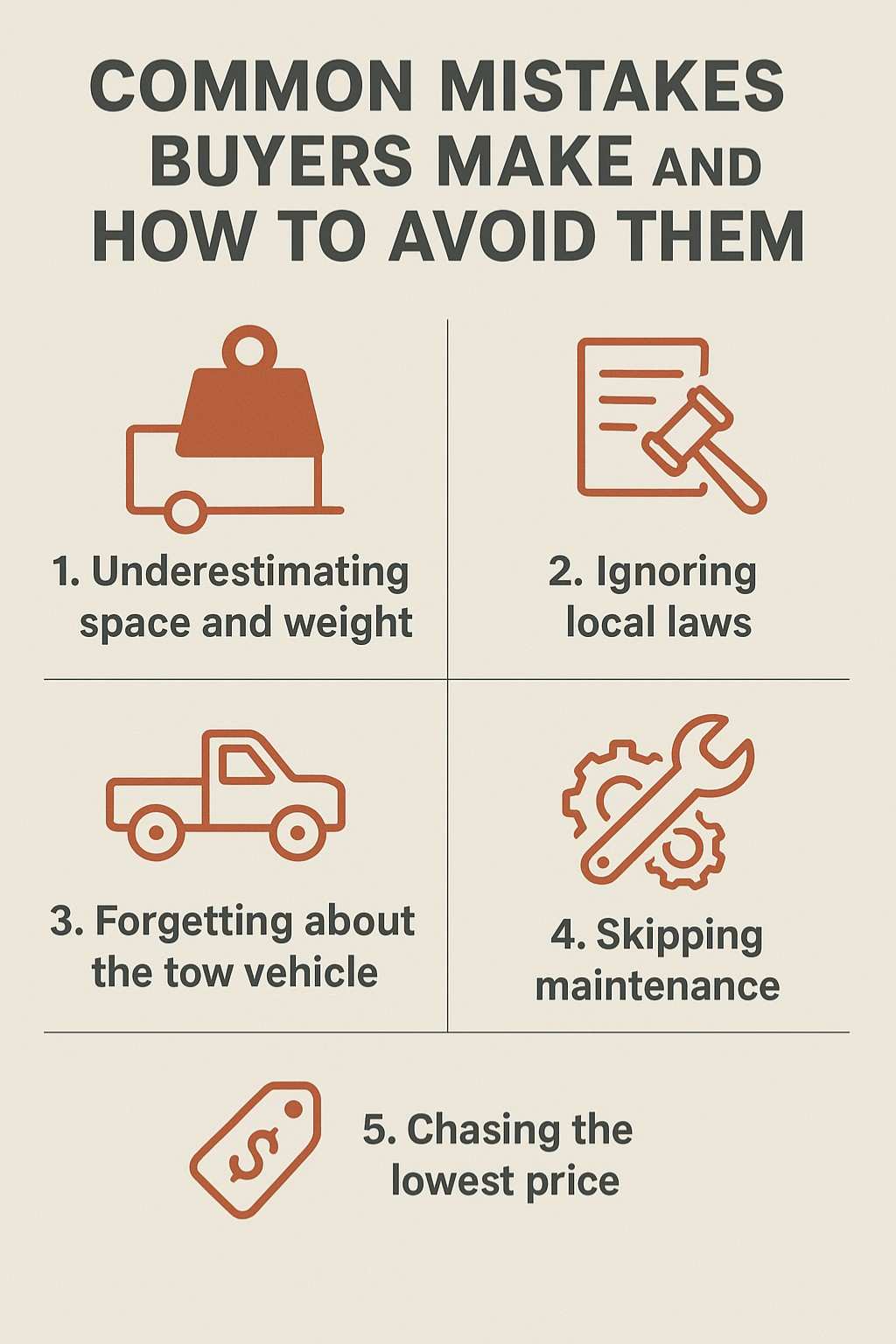
There are a handful of mistakes that repeat over and over:
- Underestimating space and weight: That trailer that looked roomy at the dealership? It shrinks fast once you start loading.
- Ignoring local laws: Depending on where you live, you may need trailer brakes, extra licenses, or special registration.
- Forgetting about the tow vehicle: Your trailer is only useful if your truck or SUV can actually handle it.
- Skipping maintenance: Tires wear, seals crack, bearings need grease. Neglecting them leads to expensive breakdowns.
- Chasing the lowest price: A cheap trailer usually means cheap parts. And replacing those later will cost more than buying quality upfront.
Key Points:
- Match trailer to your tow vehicle before buying.
- Know your state’s towing requirements.
- Price isn’t everything – durability matters most.
Practical Buying Tips and Checklist For Enclosed Trailer
1. New vs. Used
New trailers come with warranties and peace of mind. Used trailers save money, but you’ll want to inspect carefully for rust, leaks, worn flooring, or old tires. A “deal” isn’t worth much if you’re replacing parts right away.
2. Where to Buy
Dealerships offer selection and service. Online marketplaces can be cheaper but riskier. Auctions sometimes offer bargains but come with no guarantees. Custom builders are great if you know exactly what you need.
3. Budgeting Smartly
The sticker price isn’t the full story. Insurance, maintenance, accessories, and even fuel costs add up. Think long-term, not just the day you sign papers.
4. Accessories Worth Considering
Simple things like a hitch lock, spare tire, or a good tie-down system make life easier. A trailer cover is great if you’re storing outside. Don’t skip the basics – those “little extras” are what keep your trailer reliable and secure.
Key Points:
- Used trailers can be smart buys but check them thoroughly.
- Factor in total ownership cost, not just purchase price.
- Accessories can make the difference between hassle and convenience.
Safety and Maintenance Tips
1. Keep an Eye on the Basics
Before every big trip, check tires, brakes, lights, and seals. A five-minute walk-around saves you from hours stuck on the roadside.
2. Loading Matters
Weight balance is key. Too much in the front, and your tow vehicle struggles. Too much in the back, and the trailer fishtails. Secure everything with straps so nothing shifts while you’re driving.
3. Protect It in Storage
Trailers last longer when you keep them dry, clean, and covered. Rust is sneaky – it starts small and spreads fast. If you’re storing long term, even lifting it off the ground to take pressure off the tires helps.
Key Points:
- Regular inspections prevent roadside surprises.
- Balanced loading keeps you safe.
- Proper storage can add years to your trailer’s life.
Conclusion
Buying an enclosed trailer isn’t about finding the biggest or cheapest one. It’s about choosing the trailer that fits your life. Think about what you’ll use it for, make sure your vehicle can handle it, and don’t be afraid to invest in features that will make it truly useful.
Write yourself a checklist before you shop: purpose, size, weight, towing capacity, and must-have upgrades. That simple step saves a lot of money and regret.
When you buy with a clear plan, your trailer stops being just a box on wheels – it becomes one of the most reliable tools you own.
FAQs
1. How do I pick the right size enclosed trailer?
Start with your largest load in mind. Then size up just a little – trailers always feel smaller once filled.
2. Steel or aluminum – what’s better?
Steel is strong and cheaper, aluminum is lighter and resists rust. The “better” option depends on your towing vehicle and budget.
3. Can my SUV tow a tandem axle trailer?
Maybe, but don’t assume. Check your SUV’s towing capacity in the manual and compare it to the trailer’s GVWR before buying.
4. How long will a good enclosed trailer last?
With regular care – checking tires, greasing bearings, keeping rust away – you can expect 15–20 years or more. Neglect it, and it’ll wear out much faster.
About Author:

Leave a Reply