 Reviews



I’ve been around trailers most of my life – selling them, servicing them, hauling with them, and watching families turn them into homes. And over three decades, one thing I’ve learned is this: not all “trailer homes” are the same. People often lump them into one category, but in reality, there are several types, each with its own benefits, drawbacks, and best uses.
If you’re looking into trailer homes – whether it’s to live full-time, use as a vacation spot, or even set up a rental – knowing the differences is the first step to making a good decision. Let me walk you through the main types of trailer homes, then I’ll share some real-world advice on how to choose the one that actually fits your lifestyle.
What Do We Mean by Trailer Home?
The term “trailer home” gets tossed around loosely. Some folks mean a single-wide mobile home, others mean a double-wide manufactured house, and some even include RVs in the mix. For our purposes here, I’m talking about housing units built on a chassis that can be transported, set up semi-permanently, and lived in like a regular home.
These are different from stick-built houses or modular homes that sit on foundations. Trailer homes are built with mobility in mind, but depending on the type, some are closer to traditional housing than you’d expect.
The Main Types of Trailer Homes
1. Single-Wide Mobile Homes
This is what most people picture when you say “trailer home.” Single-wides are usually between 14–18 feet wide and 40–80 feet long. They’re narrow, but functional, and can be moved in one piece.
- Pros: Affordable, quicker to set up, easy to transport, lower maintenance.
- Cons: Less space, long and narrow layout, may feel more like a “box.”
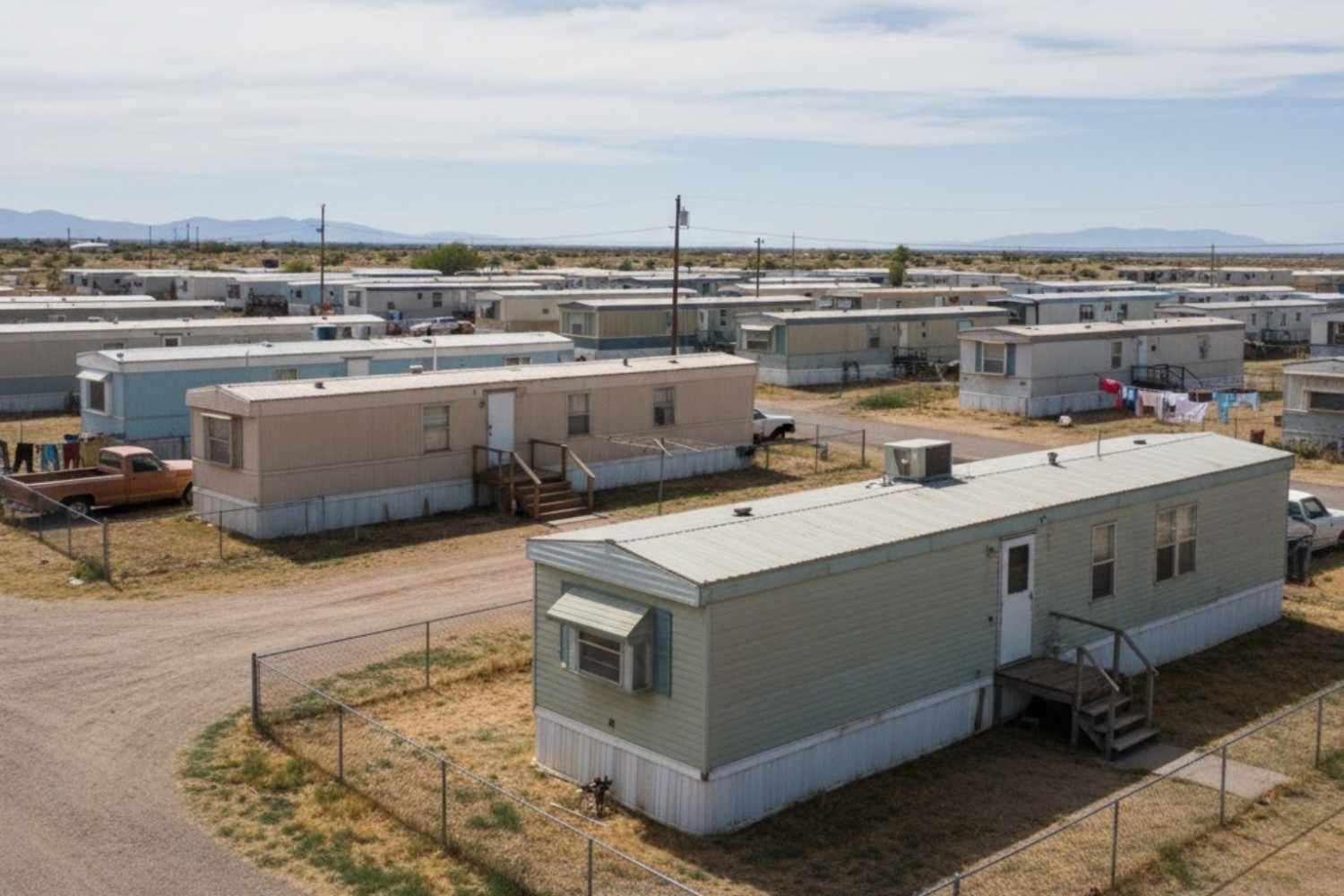
Best for: Singles, couples, or small families starting out, or folks who want a budget-friendly housing option without going into heavy debt.
2. Double-Wide Mobile Homes
A double-wide is essentially two single-wides joined together on-site. Once connected, it looks and feels more like a traditional home, with wider rooms and more design flexibility.
- Pros: Spacious, customizable floor plans, looks more like a standard house.
- Cons: More expensive than single-wides, setup requires more work, moving them later is harder.
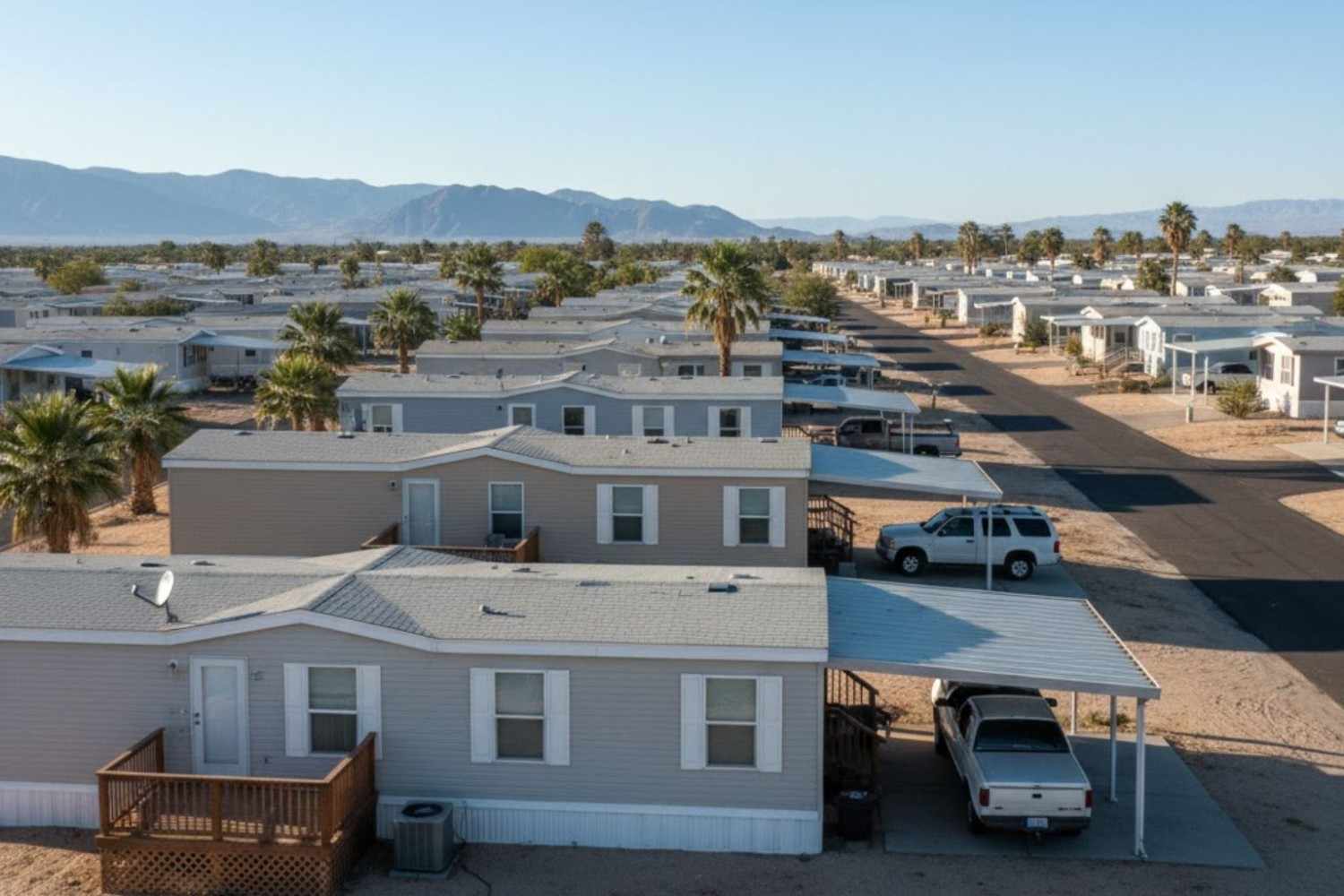
Best for: Families that need more living space, people who want something closer to a suburban house feel, or long-term living.
3. Triple-Wide and Multi-Section Homes
These take the double-wide idea further. They’re built in three or more sections, giving you even more space – sometimes over 2,000 square feet. Once installed, they can rival traditional homes in size and comfort.
- Pros: Maximum living space, multiple bedrooms/bathrooms, high customization.
- Cons: High cost, moving them is complex and expensive, not ideal for frequent relocation.
Best for: Larger families, long-term homeowners who want affordability compared to stick-built houses but still crave size and comfort.
4. Park Model Homes
These are small trailer homes (often under 400 square feet) designed for seasonal or recreational use. They’re built to RV standards, but many people set them up permanently in parks or vacation areas.
- Pros: Affordable, cozy, great for downsizing or vacation living.
- Cons: Small, not meant for big families, sometimes limited to certain parks or zones.
Best for: Retirees, vacation homes, couples who want a “tiny house” lifestyle without going full DIY.
5. Manufactured Homes
Technically, single-wides and double-wides fall under this category, but let me make the distinction clear. A manufactured home is built in a factory after June 15, 1976 (when HUD standards came into play), and it’s designed to meet strict safety, energy, and durability codes.
- Pros: Regulated for safety and efficiency, customizable, can look nearly identical to traditional homes.
- Cons: Financing can be tricky compared to site-built houses, land zoning rules vary.
Best for: Anyone who wants a modern, code-compliant trailer home with long-term stability.
6. Modular Homes (Trailer-Style)
Now, modular homes aren’t always classified as “trailers,” but some modulars are built on permanent frames that can be transported. They’re constructed in sections, moved to the site, and then placed on a foundation.
- Pros: High quality, can meet or exceed local building codes, easier financing options.
- Cons: Less mobile once installed, usually require land ownership and prep.
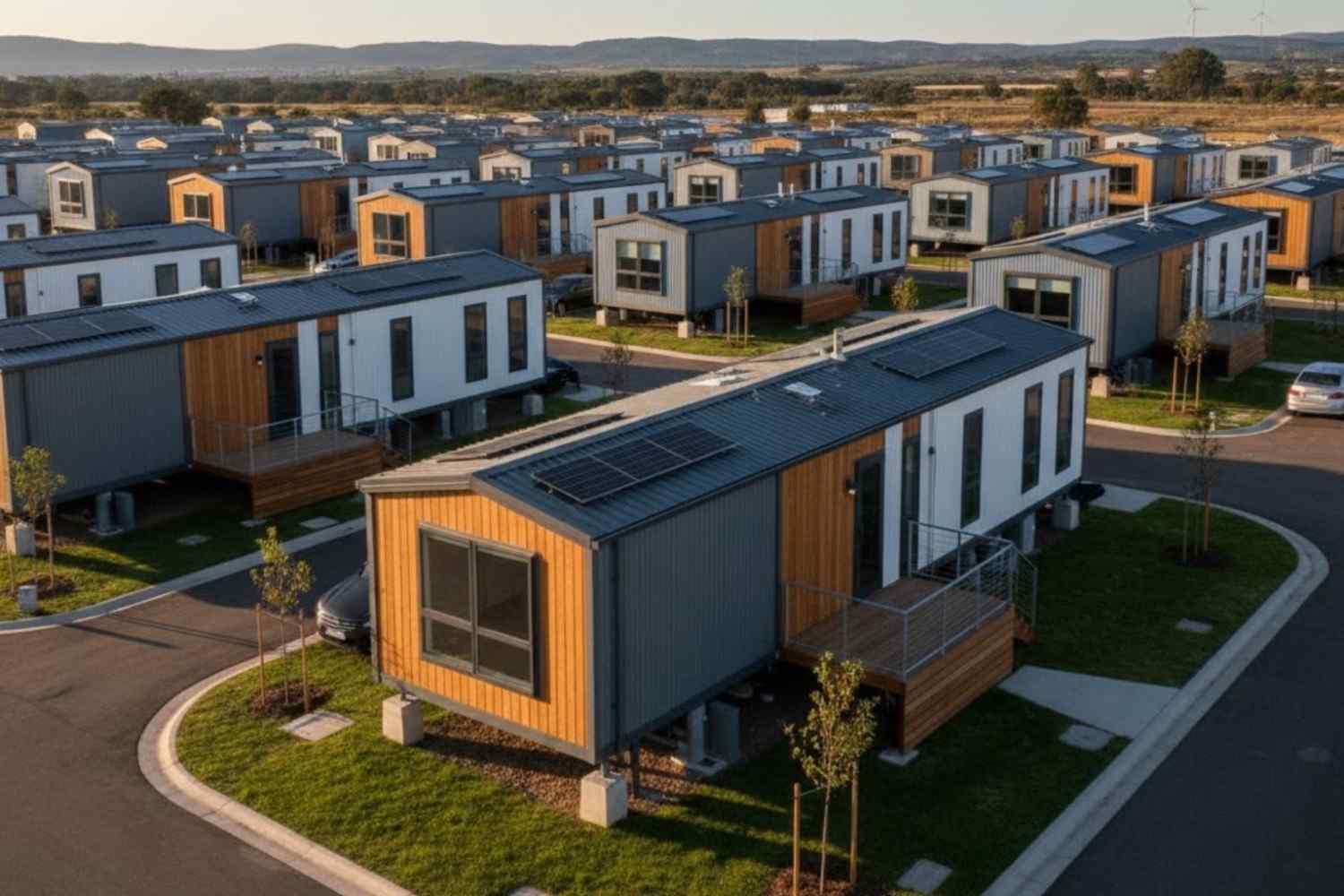
Best for: Buyers who want the affordability of prefab but the feel and permanence of traditional housing.
7. Tiny Homes on Wheels
This is a newer category but worth mentioning. Many people build or buy tiny homes on trailer chassis, making them portable yet livable.
- Pros: Minimalist, mobile, eco-friendly, fits the “tiny house movement.”
- Cons: Very limited space, not ideal for families, zoning laws can be tricky.
Best for: Minimalists, young couples, or retirees who want mobility and low overhead.
How to Choose the Best Trailer Homes for You?
Now that we’ve gone over the types, let’s get to the part most folks struggle with: choosing the right one. Here’s the advice I’ve given customers for decades:
1. Start With Your Lifestyle Needs
- How many people will live in the home?
- Do you plan on staying in one place or moving often?
- Do you need space for kids, guests, or pets?
- Is this a primary residence or a vacation/seasonal home?
If you’re moving often, a single-wide or park model makes more sense. If you’re planting roots, a double-wide or modular may suit you better.
2. Think About Long-Term Costs
Trailer homes are cheaper upfront, but remember: land costs, setup fees, utility hookups, and maintenance add up. Don’t just look at the purchase price – plan for the full cost of ownership.
3. Check Local Zoning and Codes
This is a big one most newcomers overlook. Some areas don’t allow certain types of trailer homes, or they restrict them to specific communities. Always check before you buy.
4. Financing Options
Banks treat trailer homes differently than traditional houses. Some are considered “real property” (eligible for mortgages), while others are “chattel” (like vehicles, with higher-interest loans). Know what you’re getting into before signing papers.
5. Resale Value
Like vehicles, some trailer homes depreciate faster than others. Manufactured homes on owned land hold value better than single-wides in rented parks. If you think you may sell later, factor this in.
6. Construction Quality
Not all builders are equal. Look at wall thickness, insulation, roofing materials, and window quality. A well-built trailer home lasts decades; a poorly built one gives you headaches in five years.
7. Customization & Comfort
One of the best things today is that trailer homes aren’t all cookie-cutters anymore. You can get open kitchens, luxury bathrooms, walk-in closets – all the bells and whistles. Decide which comforts matter most to you.
Common Mistakes to Avoid
After three decades of watching people buy trailer homes, here are the pitfalls I see over and over again:
- Buying too small. Families often underestimate space needs, and moving up later is costly.
- Ignoring land/park restrictions. Not every trailer can go everywhere.
- Focusing only on price. The cheapest unit often ends up costing more in maintenance and discomfort.
- Overlooking transport costs. Moving a double-wide or triple-wide isn’t cheap – budget for it.
- Not checking builder reputation. A few extra dollars upfront with a trusted manufacturer saves headaches later.
Final Word
Trailer homes have come a long way from the “tin can” image people had in the 60s and 70s. Today, you can get anything from a budget-friendly single-wide starter home to a sprawling triple-wide that rivals stick-built houses.
The key is knowing your needs, your budget, and your long-term goals. A trailer home can be a smart, affordable, and comfortable choice – but only if you pick the right type for your situation.
I’ve seen young couples start out in single-wides, families grow into double-wides, retirees settle happily in park models, and others turn tiny homes into rolling adventures. There’s no one-size-fits-all answer. But if you take the time to weigh your options and think about the future, you’ll land on the trailer home that truly feels like home.
About Author:

Leave a Reply